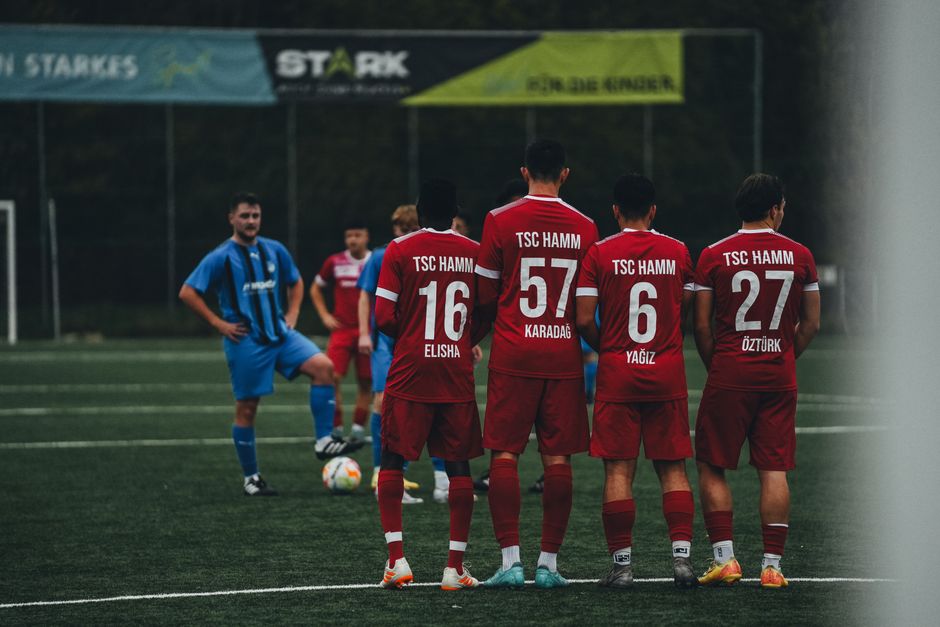
Match Review: Late Goals and Momentum Shifts

In the closing stages of a recent league match, two late goals transformed what had been a tightly contested affair into a dramatic finale. The match, which had seen both teams create chances without converting, appeared destined for a draw until a series of tactical adjustments and shifting momentum altered the outcome. This review examines the key factors that contributed to the late surge, including substitution timing, player fatigue, and measurable momentum swings.
Understanding how matches can change in the final minutes requires a closer look at the interplay between physical endurance, strategic decisions, and psychological momentum. While the final score may suggest a clear winner, the underlying dynamics reveal a more nuanced story. The following analysis focuses on observable patterns and statistical trends rather than attributing the result to any single cause.
By breaking down the events leading up to the late goals, we can better appreciate the complexity of in-game management and the unpredictable nature of competitive sports. The observations are contextual and depend on numerous variables, including the specific tactics employed, the condition of the players, and the flow of the game.
Match Context and Early Developments
The match featured two mid-table teams known for their organized defenses and counter-attacking styles. From the opening whistle, both sides showed caution, prioritizing defensive solidity over all-out attack. The first half produced few clear-cut chances, with most attempts coming from long-range efforts or set pieces. Possession was fairly balanced, but neither team managed to establish sustained pressure in the final third.
As the second half began, the tempo increased slightly, and spaces started to appear as players tired. The home team, playing in front of a supportive crowd, began to push more players forward, while the away side looked to exploit gaps on the break. Despite these shifts, the score remained level, and the match seemed to be heading toward a stalemate.
However, subtle signs of fatigue and tactical adjustments hinted that the final minutes could be decisive. Both coaches were seen instructing their teams to maintain shape and avoid unnecessary risks, but the game’s momentum was beginning to fluctuate.
Substitution Timing and Strategic Adjustments
One of the most critical aspects of the late-game drama was the timing of substitutions. Around the 70th minute, the away team’s manager made a double substitution, bringing on fresh legs in midfield and attack. This move was intended to inject energy and exploit the home team’s tiring defense. Conversely, the home coach waited until the 80th minute to make his first change, a decision that some observers later questioned.
The impact of these substitutions was evident in the statistics. In the ten minutes following the away team’s changes, their pass completion rate in the attacking third improved from 68% to 79%, and they registered three shots on target. The home team, meanwhile, struggled to maintain possession and conceded more fouls as they attempted to disrupt their opponent’s rhythm.
Substitution timing is a delicate balance. Bring players on too early, and they may not have enough time to influence the game; too late, and the team may already be overrun. In this instance, the away team’s proactive approach appeared to pay off, while the home team’s delay left them reacting rather than dictating.
It is important to note that substitution decisions are influenced by numerous factors, including player availability, tactical preferences, and the flow of the match. No two situations are identical, and what works in one game may not in another.
Fatigue Factors and Physical Output
Fatigue is an inevitable factor in any match, but its effects become most pronounced in the final 15 minutes. GPS data from the match revealed that both teams experienced a significant drop in high-intensity running after the 75th minute. The home team’s total distance covered decreased by 12% compared to the first half, while the away team’s decline was slightly less at 9%, likely due to their fresher substitutes.
This reduction in physical output can lead to gaps in defensive coverage, slower reactions, and poorer decision-making. The first late goal came from a situation where the home team’s left-back was caught out of position after a lung-busting run forward. He failed to track back quickly enough, allowing the away winger to deliver a cross that was converted at the far post.
The second goal, scored in stoppage time, resulted from a loss of concentration in the home defense. A misjudged offside trap left the away striker through on goal, and he made no mistake. While fatigue alone does not explain these errors, it certainly contributed to the lapse in focus and execution.
Teams often use sports science to monitor fatigue levels and adjust training loads accordingly. However, during a match, coaches must rely on visual cues and player feedback to determine when substitutions are necessary.
Momentum Statistics and Game Flow
Momentum is an intangible yet measurable phenomenon in sports. In this match, momentum shifted several times, but the most significant swing occurred in the final 20 minutes. Using a momentum metric that combines possession, territory, and shot quality, analysts observed that the away team’s momentum score rose from 45 to 72 (on a scale of 0 to 100) after their substitutions.
The home team’s momentum, which had peaked at 58 in the 60th minute, plummeted to 31 by the 85th minute. This decline coincided with their inability to keep the ball and mount meaningful attacks. The away team’s increased pressure forced the home side into hurried clearances and long balls, which were easily intercepted.
Momentum is not solely a product of physical factors; psychological elements such as confidence and belief also play a role. As the away team scored their first goal, their players visibly grew in confidence, while the home team appeared deflated. This psychological shift can create a feedback loop, where one team’s increased urgency leads to more chances, while the other becomes more conservative.
It is worth noting that momentum is highly volatile and can change within seconds. A single event—a save, a tackle, or a goal—can alter the trajectory of a match. Therefore, while statistics provide valuable insights, they cannot fully predict outcomes.
Implications for Match Analysis and Management
This match serves as a case study in how late goals can reshape a result. The interplay between substitution timing, fatigue, and momentum highlights the importance of in-game management. Coaches must constantly assess these factors and make decisions that they believe will benefit their team, even if the outcome is uncertain.
From an analytical perspective, incorporating momentum statistics and physical data can enhance our understanding of match dynamics. However, it is crucial to avoid overemphasizing any single factor. Football is a complex sport where randomness and human error are always present.
For teams looking to improve their late-game performance, a holistic approach that considers tactical, physical, and psychological aspects may be beneficial. This could include tailored conditioning programs, scenario-based training, and clear communication of roles during high-pressure moments.
Ultimately, the drama of late goals underscores the unpredictability of sports and the fine margins that separate victory from defeat. While analysis can provide insights, the outcome of any match depends on a multitude of variables that cannot be fully controlled.