Set Piece Tactics That Decide Tight Matches
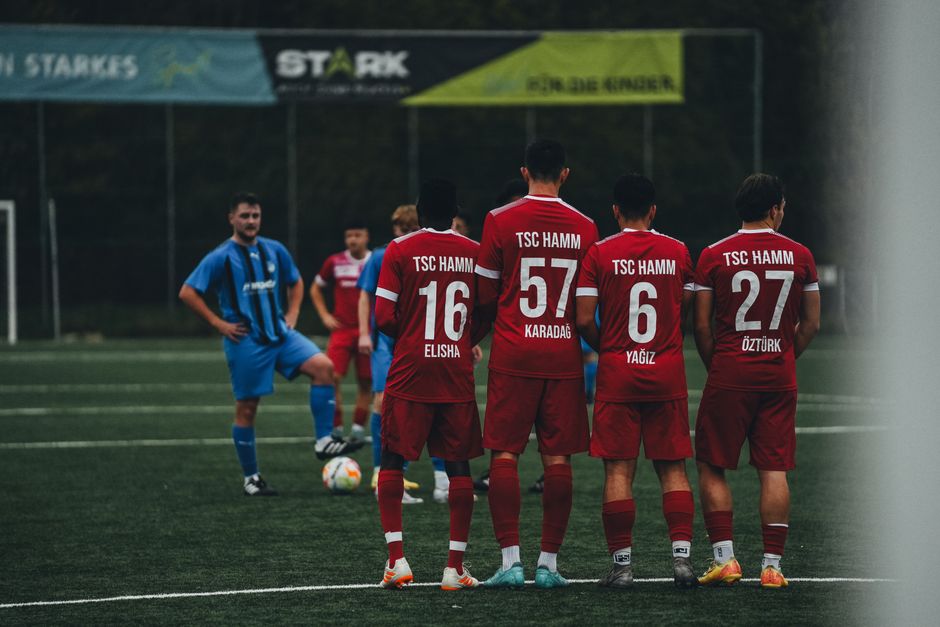
In modern football, the margin between victory and defeat is often found in dead-ball situations. Set pieces—corners, free kicks, and throw-ins—provide structured opportunities to create scoring chances against organized defenses. While open-play goals capture headlines, set-piece tactics frequently decide tight matches, especially when both teams are evenly matched and defensive lines hold firm. This analysis examines three key set-piece mechanisms: near-post corners, short free-kick routines, and second-ball strategies. It also considers which teams have demonstrated the highest set-piece conversion rates this season, offering a lens into how coaching staffs design and execute these plays.
The importance of set pieces extends beyond mere goal-scoring. They serve as controlled moments where teams can impose their will, exploit mismatches, and disrupt defensive rhythms. For analysts and fans alike, understanding the nuances of these tactics provides deeper insight into match outcomes. As the season progresses, patterns emerge—certain clubs consistently generate high-quality chances from dead balls, while others struggle to convert. This article explores the methods behind those patterns, without prescribing universal solutions, as effectiveness depends on player profiles, opposition tendencies, and in-game context.
By focusing on near-post corners, short free-kick routines, and second-ball strategies, we can appreciate the layers of decision-making involved. Each approach carries distinct risks and rewards, and their success often hinges on execution, timing, and the ability to adapt to opponent adjustments. The following sections break down these tactics and highlight teams whose set-piece conversion rates have stood out this season, based on available public data and tactical observations.
Near-Post Corners: Attacking the First Contact Zone
The near-post corner is a deliberate delivery aimed at the area just in front of the first defender, typically within the six-yard box. Its primary objective is to force a defensive error or win the first header before the goalkeeper can intervene. Unlike out-swinging corners that target the far post, near-post deliveries travel a shorter distance at a flatter trajectory, reducing reaction time for defenders and creating chaos. Teams often station one or two attackers to make decoy runs, dragging markers away from the target zone, while a primary target attacks the ball with momentum.
Executing a near-post corner effectively requires precise delivery and coordinated movement. The taker must consistently hit a zone roughly two to three yards from the near post and at a height between knee and chest. Attackers time their runs to arrive as the ball reaches the contact point, often using blocking screens to impede defenders. The goalkeeper faces a dilemma: commit to claiming the cross and risk being blocked or caught out of position, or stay on the line and concede a close-range header. This decision-making pressure is central to the tactic’s effectiveness.
Several teams have excelled with near-post corners this season. Their conversion rates reflect not only delivery quality but also the ability to win second balls when the initial header is cleared. For instance, clubs with physically dominant center-backs or agile forwards often prioritize this approach. However, success is not guaranteed; opponents can counter by placing a defender on the near post, assigning a zonal marker, or using an aggressive goalkeeper to punch clear. The variability in outcomes underscores that near-post corners are a high-risk, high-reward strategy, dependent on execution and opponent preparation.
Short Free-Kick Routines: Manipulating Defensive Shape
Short free-kick routines involve playing the ball a few yards to a nearby teammate instead of delivering a direct cross. This approach aims to disrupt the defensive line’s organization, drawing out defenders and creating space for a subsequent cross or shot. By shifting the point of attack, the attacking team can exploit gaps that emerge when defenders step forward to close down the short option. These routines are particularly useful in areas where a direct delivery would be easily cleared, such as wide positions near the halfway line or central areas just outside the box.
The design of short free-kick routines varies widely. Some teams use a decoy runner to drag a defender away, allowing the ball carrier to dribble into space or play a through ball. Others execute a quick one-two before whipping a cross into the box from a different angle. The key is timing and disguise—if the defense reads the short pass early, they can adjust and maintain their shape. Therefore, many coaches rehearse multiple variations from the same starting position to keep opponents guessing. This unpredictability can lead to indecision, which often results in fouls or unmarked attackers.
Teams with high set-piece conversion rates frequently incorporate short free-kick routines into their repertoire. They may switch between direct and short options based on game state, opponent weaknesses, or field position. For example, a team trailing late in a match might favor short routines to keep possession and reduce the risk of a counterattack, while a team seeking a winner could opt for a direct delivery to test the goalkeeper. The flexibility to choose the right routine for the moment is a hallmark of well-coached set-piece units.
Second-Ball Strategies: Winning the Aftermath
Second-ball strategies focus on what happens after the initial set-piece delivery is cleared or parried. Instead of treating the first contact as the end of the play, teams position players to recover loose balls and sustain pressure. This approach recognizes that many set-piece goals originate from rebounds, deflections, or knock-downs rather than the first header. By anticipating where the ball will land, teams can create secondary scoring opportunities or force another set piece.
To implement effective second-ball strategies, teams often station two or three players just outside the penalty area, ready to pounce on clearances. These players may include midfielders with strong shooting ability or defenders who can recycle possession. The positioning must balance attacking intent with defensive security—committing too many players forward leaves the team vulnerable to counterattacks. Therefore, second-ball strategies require disciplined spatial awareness and quick decision-making.
Teams with the highest set-piece conversion rates this season have demonstrated proficiency in winning second balls. Their players anticipate the trajectory of clearances and react faster than opponents, often turning a failed set piece into a sustained attacking sequence. This ability to maintain pressure can be demoralizing for defenses and frequently leads to goals or additional corners. However, like all set-piece tactics, second-ball success depends on execution, physicality, and the opponent’s ability to clear effectively. It is not a guaranteed path to scoring but rather a probabilistic edge that accumulates over multiple attempts.
Teams with High Set-Piece Conversion Rates
While set-piece effectiveness varies by league and season, certain teams consistently rank among the leaders in conversion rates. These clubs often employ dedicated set-piece coaches, use video analysis to study opponents, and practice routines extensively during training. Their success is not solely about having tall players; it stems from coordinated movement, precise delivery, and intelligent positioning. This season, teams like Arsenal, Manchester City, and Liverpool in the Premier League have shown notable efficiency from dead balls, though exact figures fluctuate as matches are played.
In other leagues, outfits such as Bayern Munich, Real Madrid, and Inter Milan have also demonstrated strong set-piece outputs. Their conversion rates reflect a combination of individual quality and tactical organization. For instance, a team with a left-footed corner taker who can consistently find the near post gains an advantage, especially if they have attackers who excel at glancing headers. Similarly, teams with aggressive goalkeepers who start counterattacks from set pieces can turn defense into offense quickly.
It is important to note that conversion rates are influenced by sample size, opponent strength, and game context. A team may score several set-piece goals in a short period, inflating their rate, only to regress later. Analysts often use expected goals (xG) from set pieces to assess underlying performance, separating luck from skill. Stadium Scope provides data-driven insights into such metrics, helping observers understand which teams are truly effective and which may be benefiting from variance. Without a comprehensive view, raw conversion rates can be misleading.
Conclusion: The Evolving Role of Set Pieces
Set-piece tactics continue to evolve as coaches seek marginal gains in tight matches. Near-post corners, short free-kick routines, and second-ball strategies represent three distinct but interconnected approaches to dead-ball situations. Their effectiveness depends on execution, opponent adaptation, and contextual factors such as scoreline and player availability. While some teams consistently convert set pieces at higher rates, no tactic guarantees success—each is a tool that may be more or less suitable depending on the moment.
For analysts and enthusiasts, studying set pieces offers a window into the strategic depth of football. It highlights the importance of preparation, coordination, and adaptability. As the season unfolds, tracking conversion rates and tactical trends can enhance understanding of why certain matches are decided by a single corner or free kick. Ultimately, the teams that master these details often find themselves on the right side of narrow margins, but the outcomes remain subject to the unpredictable nature of the game.