How High Pressing Shapes Modern Match Outcomes

High pressing has become a defining feature of modern football, shaping how teams defend and attack in equal measure. Rather than sitting back and absorbing pressure, many sides now seek to win the ball back quickly and high up the pitch, aiming to disrupt opponents’ build-up play and create immediate scoring opportunities. This approach requires coordinated movement, tactical discipline, and physical readiness, and it has sparked extensive analysis among coaches, analysts, and fans alike.
This article explores the mechanics of high pressing systems, focusing on how they generate turnovers and influence match outcomes. It draws on recent league data to illustrate variations in pressing success rates across top teams, without asserting that any single method guarantees success. By examining the underlying processes and contextual factors, we can better understand why high pressing has become so prominent and how its effectiveness can fluctuate based on execution, opponent behavior, and match conditions.
Throughout, the discussion remains grounded in observable patterns and measurable indicators, avoiding definitive prescriptions or promises of specific results. The goal is to provide an informative overview that supports a deeper appreciation of the tactical complexities involved.
The Core Principles of High Pressing
High pressing refers to a defensive strategy where a team applies pressure on the opponent high up the pitch, often in their defensive third or midfield. The primary objective is to limit the time and space available to the ball carrier and nearby teammates, forcing hurried decisions or misplaced passes. This stands in contrast to low-block defending, where teams retreat deep and aim to protect the penalty area. High pressing relies on collective synchronization: when one player initiates pressure, others must adjust their positions to cut off passing lanes and mark potential receivers. This coordination is typically organized around specific triggers, such as a backwards pass, a heavy touch, or a poor first touch by the opponent.
Successful high pressing demands more than just effort; it requires a clear structure and defined roles. Teams often set up in compact shapes, with the forwards and midfielders forming the first line of defense. The distances between players are kept small to reduce gaps that opponents can exploit. Additionally, pressing schemes can vary in intensity—some teams press aggressively for short bursts, while others maintain a more sustained approach. The choice depends on factors like fitness levels, squad depth, and the opponent’s playing style. Understanding these nuances is essential for evaluating how high pressing influences match dynamics.
How High Pressing Creates Turnovers
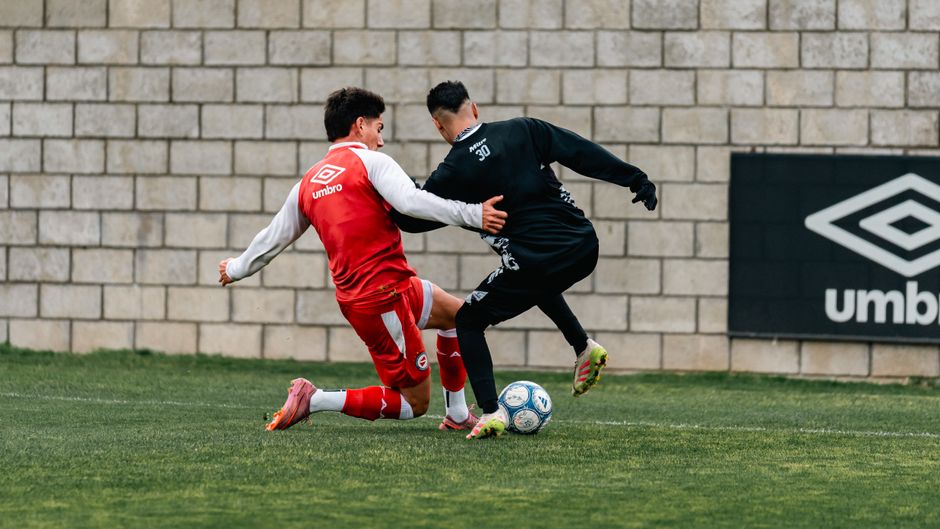
Turnovers are a direct consequence of effective high pressing. When a team pressures high, they aim to force the opponent into making errors—whether through interceptions, tackles, or simply causing rushed passes that go astray. The immediate reward is often a regained possession in an advanced area, which can lead to quick attacking transitions. Recent league data highlights that teams employing high pressing tend to record more turnovers in the attacking third compared to those who defend deeper. For instance, some top European clubs average double-digit turnovers in the final third per match, creating frequent opportunities for shots on goal.
However, not all turnovers are equally valuable. The location and context matter significantly. A turnover won near the opponent’s penalty area can be far more dangerous than one in midfield, as the defensive line is often out of position and scrambling to recover. Therefore, pressing teams often prioritize winning the ball in specific zones, such as wide areas or central channels just outside the box. The timing of the press also plays a role: pressing immediately after losing possession—known as counter-pressing—can catch the opponent off guard and prevent them from launching a counterattack. This dual purpose makes high pressing a proactive tool for both defense and attack.
Data from recent seasons indicates that pressing success rates—defined as the percentage of pressures that result in a turnover—vary widely among top teams. Some sides achieve rates above 30%, while others hover around 20%. These differences reflect variations in tactical execution, player profiles, and league styles. It is important to note that high pressing is not inherently superior; its effectiveness depends on the ability to maintain shape and avoid being bypassed by quick, direct passes.
Turning Turnovers into Scoring Chances
Winning the ball back high is only half the battle; converting those turnovers into scoring chances is where high pressing can truly shape match outcomes. After a turnover, teams often have a brief window of opportunity before the opponent reorganizes. Quick, vertical passes and runs into space are common during these moments. The best pressing teams are adept at transitioning from defense to attack in seconds, catching the opposition in a disorganized state. This can lead to high-quality chances, such as one-on-ones with the goalkeeper or open shots from the edge of the box.
Recent league data shows that a significant proportion of goals scored by top pressing teams originate from turnovers in the attacking half. For example, some teams generate over 30% of their goal-scoring opportunities from high turnovers. However, this statistic should be interpreted with caution, as it does not imply causation. Other factors—such as finishing ability, individual brilliance, and luck—also play crucial roles. Moreover, opponents can adapt by playing more direct football or by using a sweeper-keeper to bypass the press. Thus, while high pressing can increase the volume of scoring chances, its impact on actual goals is contingent on multiple variables.
Coaches often design specific patterns to exploit turnovers. These include immediate through balls to fast forwards, overlaps on the flanks, or quick switches of play to the opposite side. The effectiveness of these patterns depends on the players’ decision-making and technical execution under pressure. Therefore, training focuses on both the pressing phase and the subsequent attacking transition.
Pressing Success Rates Across Top Teams
To illustrate how high pressing varies, consider recent data from top leagues. Pressing success rate is typically calculated as the number of times a team wins the ball back within five seconds of applying pressure, divided by the total number of pressures applied. Teams like Liverpool, Manchester City, and Bayern Munich have often registered rates exceeding 30% in recent seasons, reflecting their commitment to high pressing. In contrast, teams with more conservative approaches may record rates below 25%. These figures fluctuate from match to match based on opponent strength and game state.
It is worth noting that high pressing is not limited to a few elite clubs. Many mid-table teams also adopt pressing elements, though perhaps with less intensity or frequency. The data suggests that successful pressing correlates with better league positions, but this is not a universal rule. Some teams achieve high pressing success rates yet struggle to convert turnovers into goals, while others are more efficient in front of goal. Additionally, pressing success can be influenced by the quality of the opponent’s build-up play; facing a team with excellent ball-playing defenders can reduce pressing effectiveness.
Analysts often use metrics like passes allowed per defensive action (PPDA) to gauge pressing intensity. A lower PPDA indicates more aggressive pressing. Top pressing teams often have PPDA values below 10, meaning they allow fewer passes before engaging. However, PPDA alone does not capture success; it must be combined with turnover location and conversion rates to provide a fuller picture. These data points help coaches and fans assess how well a team executes its pressing strategy.
Challenges and Considerations in High Pressing
Despite its potential benefits, high pressing comes with inherent risks. The most obvious is the exposure of space behind the defensive line. If the press is bypassed, opponents can exploit large gaps with through balls or long diagonal passes. This requires defenders to be quick, positionally aware, and comfortable defending in one-on-one situations. Additionally, high pressing is physically demanding; players must cover significant ground and sustain repeated sprints. Over a long season, fatigue and injuries can diminish pressing effectiveness, leading coaches to rotate squads or adjust intensity.
Another consideration is the adaptability of opponents. Teams facing a high press may resort to long balls, quick combinations, or a goalkeeper who is proficient with the ball at their feet. If the pressing team cannot adapt, their efforts may be neutralized. Furthermore, referee decisions and pitch conditions can influence pressing outcomes; a muddy pitch or a lenient referee may alter the dynamics. Therefore, high pressing should be viewed as a flexible approach that requires constant adjustment rather than a fixed formula.
Finally, the psychological aspect cannot be ignored. High pressing can demoralize opponents and energize the pressing team, but it can also lead to frustration if turnovers are not converted. Maintaining composure and sticking to the plan are essential. Coaches often emphasize patience and collective discipline to ensure the strategy remains effective throughout the match.
Conclusion
High pressing has undeniably become a central theme in modern football, influencing how teams defend, attack, and ultimately shape match outcomes. By pressuring high and forcing turnovers, teams can create scoring chances and disrupt opponents’ rhythm. Recent league data highlights variations in pressing success rates, underscoring that effectiveness depends on execution, context, and adaptation. While high pressing offers potential advantages, it is not a guaranteed path to success; it requires careful planning, physical readiness, and tactical flexibility.
As the game continues to evolve, the role of high pressing will likely remain significant, but its implementation will vary across teams and leagues. For analysts and enthusiasts, understanding the underlying mechanisms—from triggers to transitions—provides a richer appreciation of the tactical battles that unfold on the pitch. Stadium Scope will continue to monitor these developments, offering insights grounded in data and observation.